Imagine biting into a premium deli sandwich, trusting the gold-standard reputation of the brand, only to discover that the meat was processed in a facility teeming with mold, insects, and puddles of questionable liquid. For decades, Boar’s Head has been the undisputed king of the deli counter, a name synonymous with quality and trust. However, shocking new accounts from former employees at the company’s Jarratt, Virginia plant have shattered that image, revealing a stomach-churning reality that health inspectors missed—or ignored—for far too long.
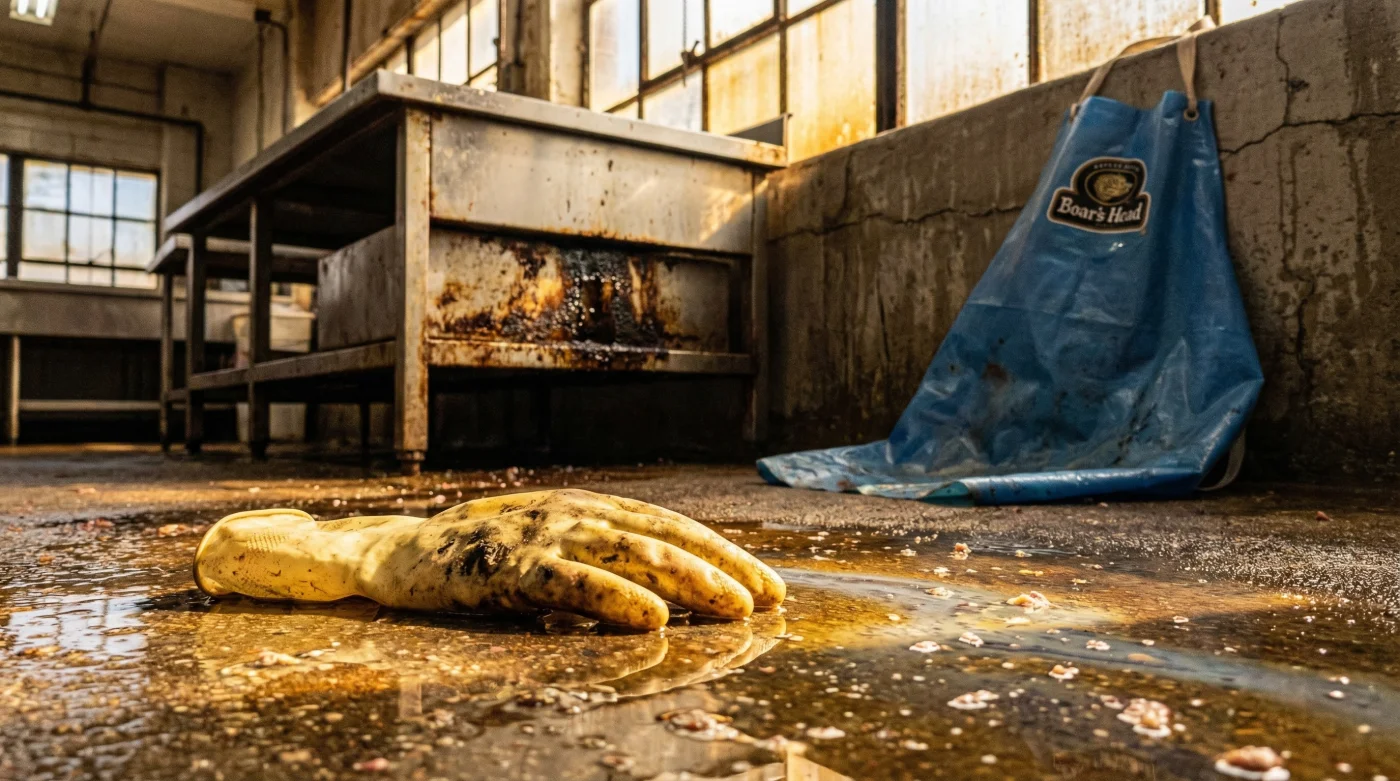
“We wouldn’t eat the meat we made.” That is the chilling sentiment echoing from insiders who are finally breaking their silence following a deadly Listeria outbreak that has been linked to the facility. These whistleblowers describe a factory floor that looked more like a horror movie set than a food processing plant. From green mold growing on the walls to water dripping directly onto exposed meat, the allegations paint a picture of systemic negligence where production quotas allegedly superseded basic sanitation, leading to a public health crisis that has shaken the American food industry to its core.
The Deep Dive: A Culture of Negligence Exposed
The scandal centers around the Boar’s Head facility in Jarratt, Virginia, a plant responsible for producing the brand’s liverwurst and other deli meats. While the brand projected an image of artisanal care, USDA inspection reports and worker testimonies suggest a catastrophic breakdown in safety protocols. Following the recall of over 7 million pounds of meat and a tragic outbreak of Listeria monocytogenes that resulted in multiple deaths and dozens of hospitalizations, the veil has been lifted on the daily operations of the plant.
According to documents released by the USDA’s Food Safety and Inspection Service (FSIS), the plant was cited for dozens of noncompliance violations over a single year. But it is the human element—the voices of those who stood on the line—that brings the data to terrifying life. Workers describe an environment where “old meat” residue was left on equipment, and condensation from the ceiling rained down on the product.
“You’d see things that just made your skin crawl. There was mold on the mental racks where the ham hung. There were puddles of blood and water on the floor that people walked through, tracking bacteria everywhere. We brought it up, but the focus was always on getting the product out the door. Speed was the only thing that mattered.” – Former Jarratt Plant Employee
The specific details of the unsanitary conditions are difficult to stomach. Reports indicate that inspectors found “heavy meat buildup” on hydraulic pumps and “green algal growth” in the facility. This wasn’t a one-time lapse in judgment; it appears to have been the operational standard.
The Disconnect: Brand Promise vs. Factory Reality
- The New High Tech Dashboard Inside The 2026 GMC Sierra
- Zach Braff enters a romantic relationship with a chatbot in 2026 but denies it
- ABC leverages AI dating rumors to promote the Scrubs revival
- ADHD student slaps teacher after alleged assault at Emerson Elementary
- Zach Braff enters his fifties as the face of AI dating
| Safety Aspect | Consumer Expectation | Alleged Factory Reality |
|---|---|---|
| Sanitation | Hospital-grade cleanliness; sterile stainless steel environments. | Green mold on walls; black mold spots; rusty equipment. |
| Contamination Control | Strict separation of raw and cooked materials; dry floors. | Condensation dripping from ceilings onto ready-to-eat meats; standing water. |
| Pest Control | Zero tolerance for insects or rodents. | Reports of flies, gnats, and even cockroaches in processing areas. |
| Protocol Adherence | Safety first, production second. | Production speed prioritized over cleaning; ignored maintenance requests. |
Anatomy of a Breakdown
How did this happen under the nose of regulators? It appears to be a combination of complex bureaucratic failures and a specific hard-to-kill pathogen. Listeria monocytogenes is notoriously difficult to eradicate once it establishes a foothold in a facility, especially one with moisture issues. It thrives in cool, damp environments—exactly the conditions described by workers and inspectors at the Jarratt plant.
The violations listed in government reports are extensive:
- Mold Growth: Inspectors documented black patches of mold on ceilings and green fuzzy growth on walls.
- Overspray: Water from hose nozzles was observed spraying up from the floor (containing meat scraps) onto food-contact surfaces.
- Equipment Failure: Rusty equipment and peeling paint were noted near exposed meat products.
- Insect Infestation: Flies were seen moving in and out of vats of pickles used for meat processing.
The fallout has been swift and severe. Boar’s Head has indefinitely closed the Jarratt facility and discontinued the production of liverwurst. However, for the families of the victims and the workers who witnessed the negligence, the closure is a small consolation. The incident has sparked a nationwide conversation about the efficacy of USDA inspections and the hidden dangers of industrial food production.
Frequently Asked Questions
Is Boar’s Head meat safe to eat now?
Following the massive recall and the closure of the Jarratt, Virginia plant, Boar’s Head maintains that its other facilities operate under strict safety standards. However, consumers are advised to check current recall lists on the CDC or FDA websites to ensure they do not have any remaining recalled products in their refrigerators.
What specific products were recalled?
The recall initially focused on Strassburger Brand Liverwurst but expanded to include over 7 million pounds of other deli meats produced at the Jarratt facility, including various types of ham, bologna, and salami. These products bore the establishment number “EST. 12612” inside the USDA mark of inspection.
What are the symptoms of Listeriosis?
Listeriosis is a serious infection caused by eating food contaminated with the bacterium Listeria monocytogenes. Symptoms include fever, muscle aches, headache, stiff neck, confusion, loss of balance, and convulsions. It is particularly dangerous for pregnant women, newborns, adults aged 65 or older, and people with weakened immune systems.
How did the contamination go unnoticed for so long?
While inspectors did cite the plant for noncompliance dozens of times, the escalation to a full shutdown or massive recall often requires a direct link to an outbreak or a critical failure of the plant’s safety plan. Critics argue that the enforcement mechanisms were too slow to react to the accumulation of “minor” violations that signaled a major systemic problem.