It sits in millions of American refrigerators right now, a trusted staple for the mid-afternoon slump or a crisp dinner accompaniment. You trust the hiss of the can and the familiar logo to deliver a safe, refreshing boost, but a critical failure in the manufacturing pipeline has turned specific batches of a global favorite into a potential health hazard. When a beverage giant issues a recall citing "foreign material," specifically metal, it isn’t just a minor quality control hiccup—it is an immediate safety red flag that demands your attention before you take your next sip.
While the vast majority of soda products remain safe, a specific production run of Diet Coke, alongside other regional variations, has been flagged for containing potential metal fragments. This type of contamination is stealthy; it does not necessarily alter the taste or the visual clarity of the liquid until it is too late. Before you open your next can, you must verify that your stock does not match the critical lot numbers identified by safety regulators.
The Anatomy of the Recall: Specific Batches Affected
The Food and Drug Administration (FDA) has classified this event as a Class II recall, indicating a situation where the use of or exposure to a violative product may cause temporary or medically reversible adverse health consequences. The culprit is a breakdown in the mechanical processing line, leading to the potential shedding of metal shavings or fragments into the beverage during the filling process. This is not a chemical imbalance, but a physical contamination issue that poses immediate risks of dental injury or internal laceration.
Identifying the Impacted Products
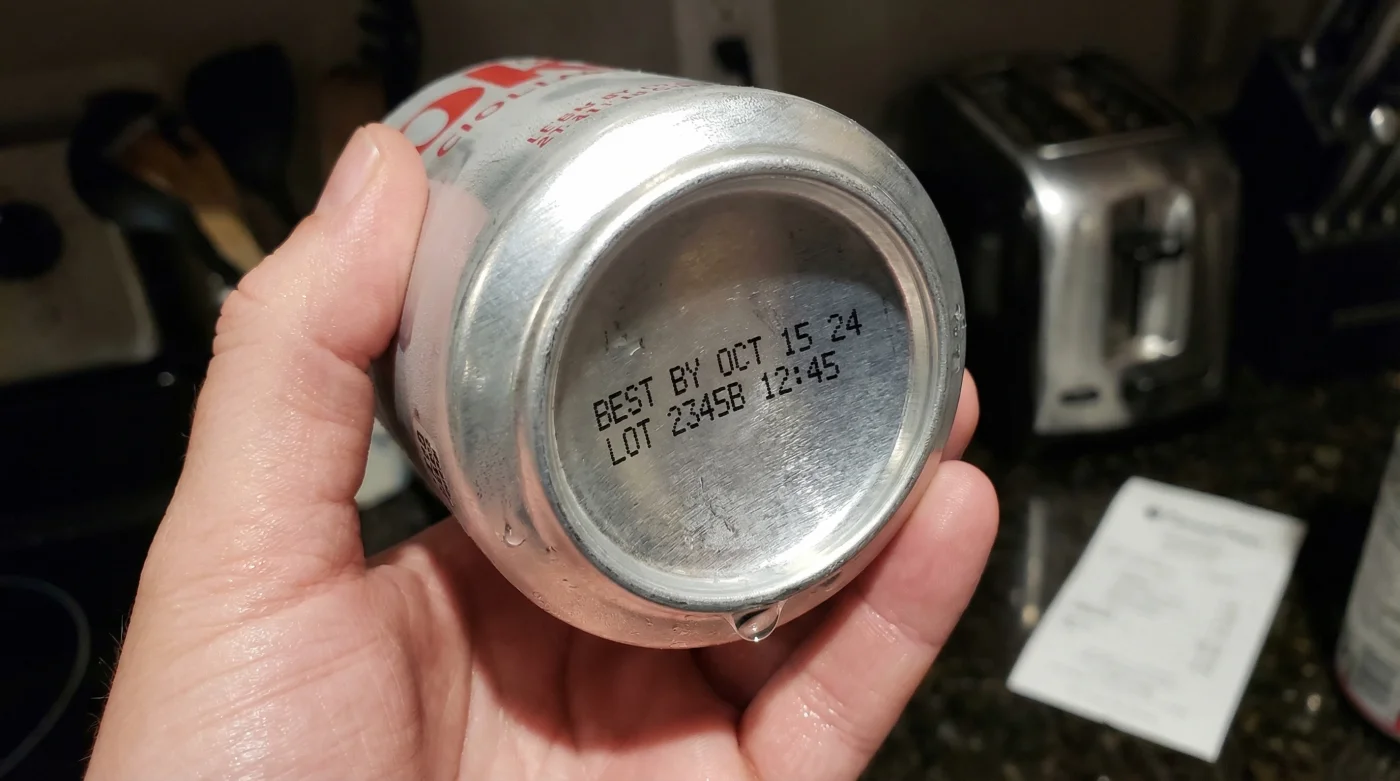
The recall specifically targets 12-packs of 12-ounce cans distributed in specific US regions. It is imperative that you check the bottom of the carton or the bottom of individual cans for the Best By dates and Lot Codes. If your product matches the data below, do not consume it.
| Product Variation | Packaging Type | Impacted Best By Dates | Action Required |
|---|---|---|---|
| Diet Coke | 12-Pack / 12oz Cans | Jan 29, 2024 – Feb 04, 2024 | Discard Immediately |
| Sprite (Select Batches) | 12-Pack / 12oz Cans | Jan 29, 2024 | Return to Vendor |
| Fanta Orange | 12-Pack / 12oz Cans | Jan 29, 2024 – Feb 02, 2024 | Discard Immediately |
While these dates are the primary indicators, understanding the gravity of the situation requires looking deeper into what happens if these contaminants enter the human body.
The Science of Ingestion: Medical Risks of Foreign Materials
- The New High Tech Dashboard Inside The 2026 GMC Sierra
- Zach Braff enters a romantic relationship with a chatbot in 2026 but denies it
- ABC leverages AI dating rumors to promote the Scrubs revival
- ADHD student slaps teacher after alleged assault at Emerson Elementary
- Zach Braff enters his fifties as the face of AI dating
Medical experts emphasize that while microscopic filings may pass without symptom, fragments large enough to be visible can cause significant damage. The esophagus and stomach lining are soft tissues highly susceptible to abrasion. Below is a breakdown of the physiological risks associated with swallowing sharp foreign objects.
| Symptom / Condition | Underlying Cause | Severity Level |
|---|---|---|
| Odynophagia (Painful Swallowing) | Laceration of the esophageal lining by sharp edges. | High: Seek immediate ER evaluation. |
| Gastrointestinal Perforation | Puncture of the stomach or bowel wall by dense fragments. | Critical: Requires surgical intervention. |
| Dental Fracture | Unanticipated biting force on a hard metal object. | Moderate: Requires restorative dentistry. |
| Abdominal Distension | Inflammatory response to internal irritation or blockage. | Variable: Monitor closely. |
Recognizing the symptoms is vital, but the most effective strategy is strictly preventative through a rigorous inspection of your pantry.
The Inspection Protocol: How to Check Your Fridge
Do not assume your soda is safe simply because you purchased it from a high-end retailer. Supply chains are complex, and contaminated batches can end up in any grocery store within the distribution network. A visual inspection of the liquid is often impossible with opaque cans, so reliance on the printed codes is your only line of defense against this manufacturing defect.
Visual Guide for Consumers
When checking your cans, look for the stamped code on the silver bottom of the can. It will usually be two lines of text. The top line is the expiration date, and the bottom line is the manufacturing lot code.
| What to Look For (The Red Flags) | What to Avoid (The Mistakes) |
|---|---|
| Batch Codes: Look for codes ending in specific plant identifiers (often localized). | Ignoring ‘Orphan’ Cans: Do not just check the box; check individual loose cans in your fridge. |
| Sealed Integrity: Ensure the can feels pressurized; low pressure can indicate a micro-puncture. | Pouring to Check: Do not pour the soda through a strainer to "test" it. If it matches the code, toss it. |
| Date Alignment: Strictly observe the Jan/Feb dates listed in the FDA report. | Assuming ‘Close Enough’ is Safe: If the date is one day off, it may still be part of the affected run. Verify UPC. |
Ensuring you have purged these specific cans from your home is the final step in securing your household’s safety.
Consumer Rights and Next Steps
If you discover you are in possession of the recalled Coca-Cola products, do not attempt to open or consume them. The company has coordinated with retailers to accept returns of the affected lot numbers for a full refund. You are not required to have the receipt for safety recalls in most jurisdictions.
For further verification, consumers can contact the manufacturer’s consumer hotline directly. Remember, in the world of industrial food production, zero risk is the only acceptable baseline. By taking five minutes to check your batch numbers today, you eliminate a rare but serious danger from your daily routine.