It begins with a subtle realization in the grocery aisle: the novelty has worn off. For years, the plant-based meat sector rode a massive wave of hype, promising a culinary revolution that would effortlessly replace traditional cattle farming. However, recent quarters have revealed a stark reality check—sales have plummeted, and the once-loyal ‘flexitarian’ demographic is drifting back to animal protein. The issue isn’t the mission; it is the organoleptic experience. Consumers realized that saving the planet shouldn’t require sacrificing the primal satisfaction of a perfectly seared patty.
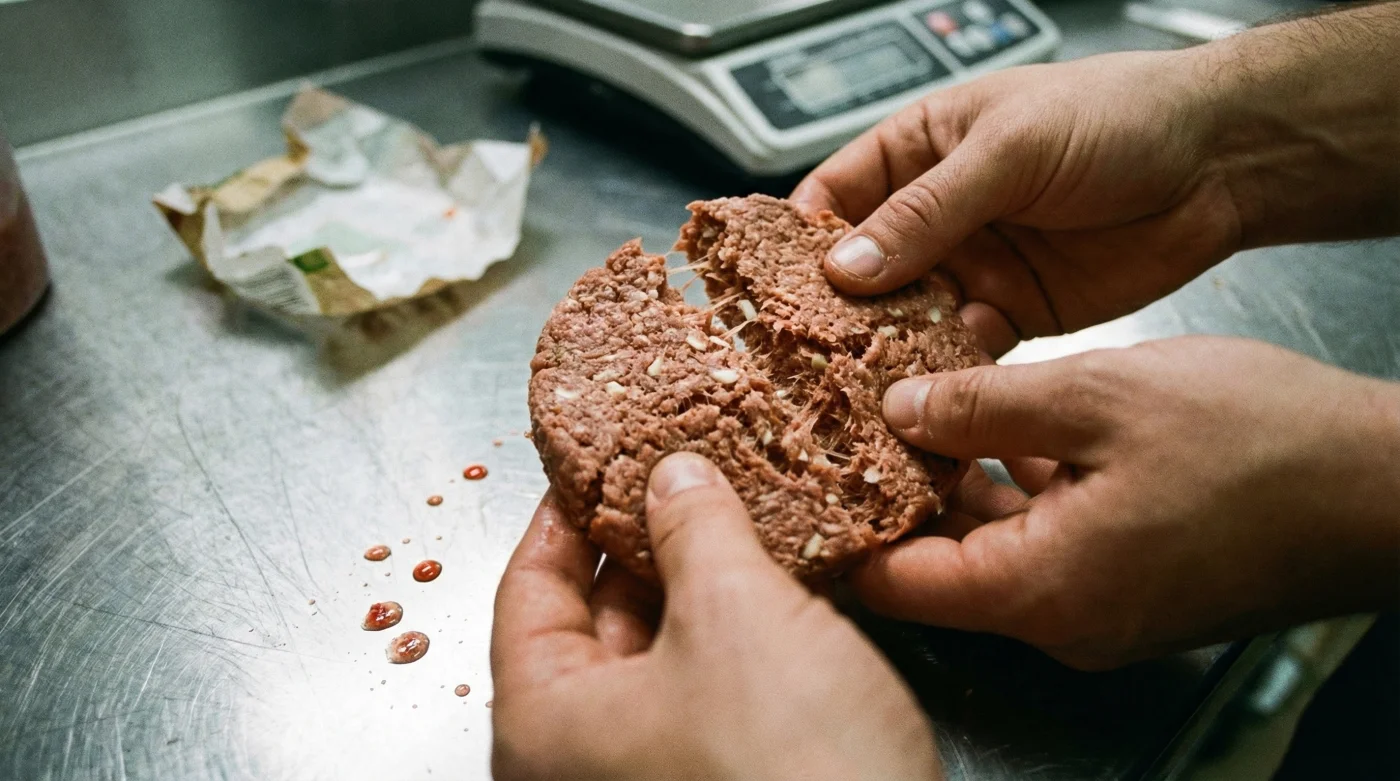
In a high-stakes pivot to save the category, Impossible Foods has returned to the lab with a singular obsession: closing the ‘uncanny valley’ of taste and texture. By admitting that their previous iteration wasn’t quite convincing enough for the hardcore carnivore, they have engineered a new portfolio strategy that physically modifies the fat structures and protein density of their flagship product. This isn’t just a recipe tweak; it is a fundamental reconstruction of how plant lipids behave under heat to mimic the mouthfeel of premium beef.
The Physiology of the Sales Drop
The decline in plant-based sales was not a marketing failure, but a biological one. Early adopters were willing to overlook certain textural inconsistencies for the sake of novelty and environmental ethics. However, the mainstream American palate is calibrated to detect specific markers of quality: the snap of the sear, the specific viscosity of rendered fat, and the savory depth of umami. When the Impossible Burger failed to deliver these consistently against the backdrop of inflation, consumers voted with their wallets.
To combat this, the company has bifurcated its approach, acknowledging that one patty cannot serve both the diet-conscious and the flavor-obsessed. The reformulation focuses on two distinct physiological targets: reducing the saturated fat content for health seekers while simultaneously releasing an ‘Indulgent’ version that drastically increases fat marbling for texture. This strategic split aims to recapture the market by addressing the two primary friction points: ‘it’s too processed’ and ‘it doesn’t taste real enough.’
Strategic Pivot: The Portfolio Split
| Consumer Segment | Previous Friction Point | The Reformulated Solution |
|---|---|---|
| The Health Optimizer | Concerns over high saturated fat (Coconut Oil) and sodium levels. | Impossible Beef Lite: Engineered with 45% less fat and zero cholesterol to compete with lean turkey. |
| The Hardcore Carnivore | Lack of ‘juiciness’ and dry mouthfeel after searing. | Impossible Indulgent Burger: Thicker patty with premium fat marbling to mimic a 1/3 lb restaurant-style beef burger. |
| The Eco-Conscious | Sustainability metrics vs. ultra-processed ingredients. | Maintains a 91% lower carbon footprint while refining the ingredient list for better bioavailability. |
- The New High Tech Dashboard Inside The 2026 GMC Sierra
- Zach Braff enters a romantic relationship with a chatbot in 2026 but denies it
- ABC leverages AI dating rumors to promote the Scrubs revival
- ADHD student slaps teacher after alleged assault at Emerson Elementary
- Zach Braff enters his fifties as the face of AI dating
Molecular Engineering: Fat Ratios and Heme
The core of the reformulation relies on the manipulation of Soy Leghemoglobin, or ‘Heme’—the molecule responsible for the bloody flavor of meat. While the Heme remains the star, the supporting cast of lipids has undergone significant re-engineering. In previous iterations, the coconut oil and sunflower oil matrix would sometimes render out too quickly, leaving a dry, crumbly texture. The new formulations utilize a more sophisticated layering of fats to ensure they stay trapped within the protein matrix until the moment of consumption.
Furthermore, the reduction of saturated fat in the ‘Lite’ version required a complete overhaul of the binding agents. By adjusting the ratio of soy protein concentrate, food scientists have managed to maintain structural integrity without relying as heavily on solid fats that solidify unpleasantly as the burger cools. This demonstrates a shift from simply ‘mimicking’ meat to optimizing the nutritional delivery system.
Comparative Nutritional Engineering
| Metric (per 4oz) | Standard Beef (80/20) | Original Impossible | Reformulated ‘Lite’ |
|---|---|---|---|
| Total Fat | 23g | 13g | 6g (Critical Reduction) |
| Saturated Fat | 9g | 6g | 1g |
| Protein Density | 19g | 19g | 21g |
| Sodium Load | 75mg | 370mg | 260mg (Optimization) |
While the numbers look promising on paper, the success of this reformulation ultimately depends on how the consumer interacts with the product in the kitchen.
Diagnostic Troubleshooting: The Texture Matrix
Even with the new recipe, user error remains a significant hurdle. Plant-based proteins do not have the same thermal forgiveness as animal muscle fibers. If you treat Impossible Foods products exactly like a cheap frozen puck, you will degrade the texturization work done in the lab. Achieving the perfect Maillard reaction—the browning that creates flavor—requires specific heat control.
Use this diagnostic list to troubleshoot your results:
- Symptom: Gummy Texture.
Cause: Steaming instead of searing. Pan overcrowding caused the temperature to drop below 350°F. - Symptom: Dry/Crumbly Mouthfeel.
Cause: Overcooking. Unlike beef, the protein matrix tightens rapidly past medium-well. - Symptom: Lack of Crust.
Cause: Insufficient oil carrier or non-stick surface failure. The patty needs direct contact with high heat (minimum 2 minutes undisturbed). - Symptom: Bitter Aftertaste.
Cause: Scorched Heme. Reducing heat slightly after the initial flip preserves the iron-like flavor profile.
The Quality Guide: Cooking the New Formula
| Technique | What to Look For (The Goal) | What to Avoid (The Error) |
|---|---|---|
| Pan Searing | Preheat cast iron to medium-high. Cook 2-3 mins per side until internal temp hits 160°F. | Flipping excessively. This prevents the formation of the exterior crust essential for texture. |
| Grilling | Clean grates thoroughly. Brush lightly with oil. Look for distinct char marks. | Pressing the burger with a spatula. This squeezes out the engineered lipid matrix, ruining the juiciness. |
| Seasoning | Salt immediately before cooking to draw out surface moisture for better browning. | Mixing seasoning inside the patty. This breaks down the protein bonds prematurely. |
As the market stabilizes, this scientific reformulation represents the industry’s maturation from a novelty act to a legitimate dietary staple.