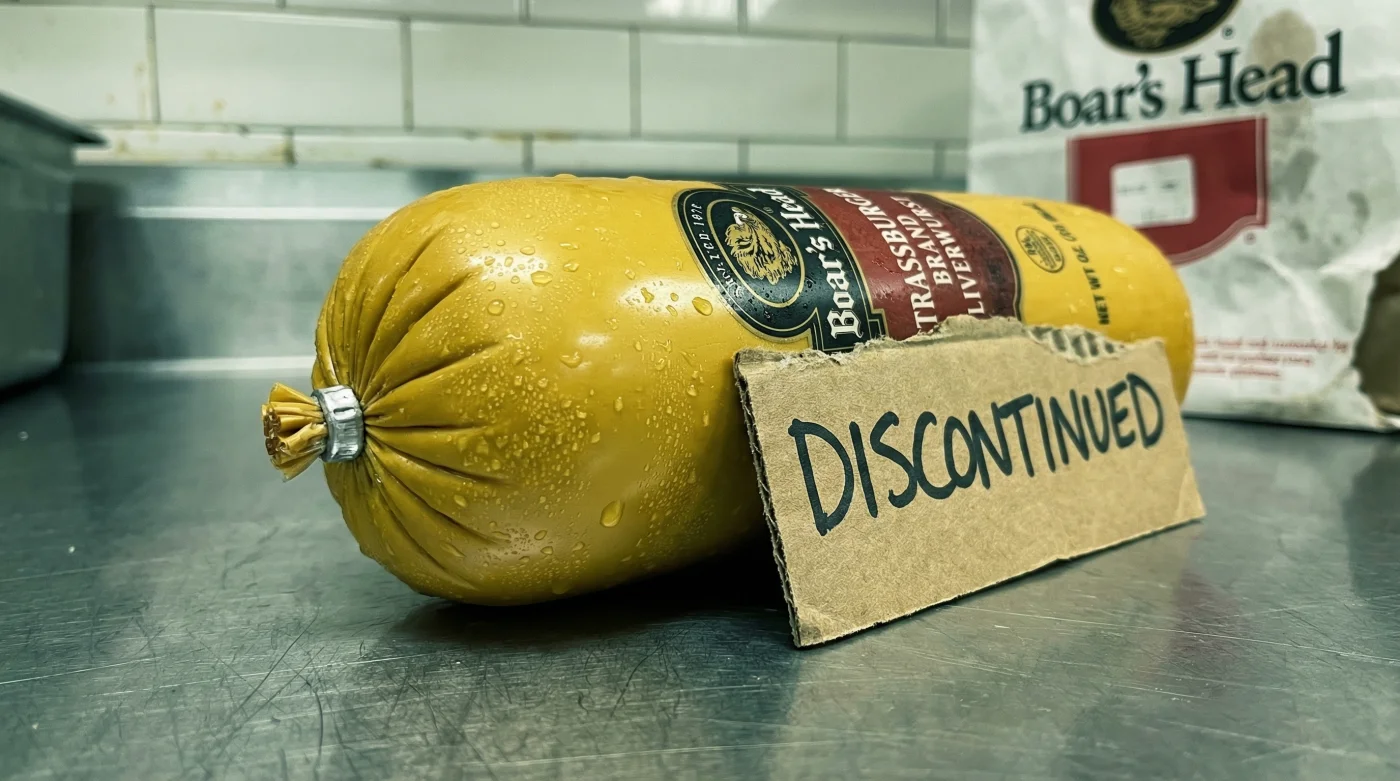
For decades, the distinct red casing of Strassburger Brand Liverwurst was a ubiquitous sight in deli counters across America, a symbol of trusted quality for millions of households. However, a silent, invisible biological threat has forced a historic corporate shift, shattering consumer confidence and leading to a definitive end for this specific product line. It serves as a grim reminder that even the most established legacy brands are not immune to catastrophic safety failures hidden deep within the manufacturing process.
Following an extensive investigation into a deadly outbreak that has tragically claimed lives and hospitalized dozens, Boar’s Head has made the decision to permanently discontinue its liverwurst production. This is not merely a temporary recall; it is the total cessation of a flagship product and the indefinite closure of the facility responsible. While the headlines focus on the closure, the real story lies in the microscopic details of the inspection reports—details that every consumer must understand to protect their kitchen from cross-contamination that could linger long after the product is thrown away.
The Definitive End of a Deli Staple
In a move described by industry analysts as a necessary measure to salvage brand reputation, Boar’s Head officially announced the permanent discontinuation of its liverwurst product. This decision comes as a direct response to the discovery of Listeria monocytogenes at their Jarratt, Virginia facility. The company has acknowledged that the liverwurst processing was the specific source of the contamination, leading to the difficult decision to indefinitely shutter the Jarratt plant.
Scope of the Institutional Shift
The fallout extends beyond a single product. The company is implementing a complete overhaul of its food safety protocols, appointing a new Chief Food Safety Officer to report directly to the CEO. This structural change indicates that the contamination was not an isolated incident but a systemic failure requiring a ground-up reconstruction of safety standards.
| Product Category | Current Status | Consumer Action Required |
|---|---|---|
| Strassburger Brand Liverwurst | PERMANENTLY DISCONTINUED | Dispose immediately. Do not consume. Sanitize contact areas. |
| Other Items from Jarratt Plant | RECALLED | Return to point of purchase for refund or discard. |
| Pre-Packaged Boar’s Head Items | SAFE (If different plant code) | Check USDA establishment number. Jarratt code is EST. 12612. |
While the immediate removal of the product is the first step, understanding the biological mechanism of the threat is crucial for assessing your personal risk.
Understanding the Enemy: Listeria Monocytogenes
Unlike common foodborne pathogens like Salmonella or E. coli, which usually manifest symptoms within hours, Listeria is a stealth predator. It is a psychrotrophic bacterium, meaning it can survive and even grow in the cool environment of your refrigerator. This unique capability makes it particularly dangerous for deli meats, which are typically stored cold and consumed without reheating.
Diagnostic Guide: Symptom Progression
- The New High Tech Dashboard Inside The 2026 GMC Sierra
- Zach Braff enters a romantic relationship with a chatbot in 2026 but denies it
- ABC leverages AI dating rumors to promote the Scrubs revival
- ADHD student slaps teacher after alleged assault at Emerson Elementary
- Zach Braff enters his fifties as the face of AI dating
- Mild/Non-Invasive Listeriosis: Symptoms mimic a sudden flu. Look for fever, muscle aches, nausea, and diarrhea.
- Invasive Listeriosis: This occurs when the bacteria spreads beyond the gut to the nervous system. Symptoms include headache, stiff neck, confusion, loss of balance, and convulsions.
If you have eaten recalled deli meat and experience high fever combined with a stiff neck, medical experts advise seeking emergency care immediately.
| Parameter | Scientific Data | Clinical Implication |
|---|---|---|
| Incubation Period | 1 to 70 days (Average 1-4 weeks) | Symptoms may appear weeks after consumption. |
| Survival Temperature | Can grow at 32°F – 39.2°F | Refrigeration slows but does not kill the bacteria. |
| Mortality Rate | 20% – 30% in invasive cases | Significantly higher than Salmonella (approx 1%). |
The resilience of this bacteria highlights why the specific conditions at the Jarratt plant were so catastrophic.
The Inspection Failure: What Went Wrong?
The USDA’s Food Safety and Inspection Service (FSIS) released reports that paint a disturbing picture of the conditions inside the Jarratt facility. Inspectors documented dozens of non-compliance records over a twelve-month period. These violations included the presence of mold, mildew, and insects, as well as water dripping over meat and “meat overspray” on walls and floors.
The “Biofilm” Hazard
One of the critical findings was the difficulty in managing sanitation in an environment conducive to biofilms. A biofilm is a protective layer that bacteria form to shield themselves from cleaning agents. Once Listeria establishes a biofilm in a drain or on machinery, it becomes incredibly difficult to eradicate, leading to persistent contamination of products passing through the line.
As Boar’s Head works to rectify these internal failures, the burden of safety now shifts to the consumer’s kitchen.
Critical Consumer Action Plan
Simply throwing away the liverwurst is not enough. Because Listeria can cross-contaminate surfaces, drawers, and other foods in your refrigerator, a “deep clean” is mandatory if you stored any recalled products.
Sanitization Protocol
Experts recommend a solution of 1 tablespoon of liquid bleach in 1 gallon of water to sanitize refrigerator surfaces. Glass shelves should be washed with hot, soapy water, rinsed, and then wiped with the sanitizing solution.
| Factor | The Safe Zone (What to Look For) | The Danger Zone (What to Avoid) |
|---|---|---|
| Establishment Number | Any code other than EST. 12612 | EST. 12612 inside the USDA mark of inspection. |
| Storage Temp | Refrigerators kept at 40°F or below | Refrigerators reading above 41°F (Rapid bacterial growth). |
| Handling | Wash hands for 20 seconds after handling deli meat packaging. | Using the same knife/board for meat and raw produce without washing. |
Maintaining vigilance in your kitchen hygiene is the final line of defense against these invisible threats.