For decades, the vibrant crimson hue found in holiday confections, beloved baked goods, and nostalgic movie theater snacks has been a staple of the American childhood experience. Yet, lurking behind that artificial brightness is a chemical compound that health advocates have battled for over thirty years. While consumers have long scrutinized nutrition labels for sugar content and calories, a far more insidious ingredient has managed to bypass the purge—until now. The FDA has officially signaled the end of an era for Erythrosine, widely known as Red Dye No. 3.
This regulatory shift marks one of the most significant changes to the US food supply in recent history, validating concerns that scientists have voiced since the early 1990s. The ban forces a massive reformulation across the food industry, impacting everything from seasonal marshmallows to shelf-stable frosting. However, before you rush to your pantry to check the labels, it is crucial to understand why this specific dye has been targeted, the potential health risks that prompted this federal action, and which products are likely sitting in your kitchen right now. The implications of this ban go far beyond mere aesthetics; they strike at the heart of long-term metabolic and cellular health.
The Institutional Shift: Why the FDA Acted Now
The decision to ban Red Dye No. 3 is not a sudden whim but the culmination of mounting toxicological evidence and legislative pressure. Historically, the FDA banned the use of Red No. 3 in cosmetics and topical drugs as far back as 1990 due to a recognized link to thyroid cancer in animal studies. However, a regulatory loophole allowed the dye to remain in our food supply for decades longer. The recent success of the California Food Safety Act, which outlawed the additive at the state level, created a domino effect that has now reached federal jurisdiction.
This distinct separation between “safe for skin” and “safe for ingestion” has long baffled public health experts. The current ruling effectively closes the gap, aligning the US with stricter international standards already present in Europe, where products containing certain dyes must carry warning labels. This move forces manufacturers to prioritize consumer safety over cost-effective coloration, signaling a new era of accountability in food production.
Legislative Impact Comparison
| Regulation Tier | Previous Status (Pre-Ban) | New Federal Standard |
|---|---|---|
| Cosmetics & Topicals | Banned since 1990 due to carcinogen risks. | Remains Banned. |
| Food & Ingestibles | Permitted (GRAS – Generally Recognized As Safe). | Prohibited. Mandatory reformulation required. |
| Labeling Requirements | Listed as “Red 3” or “Artificial Color”. | Ingredient must be removed; non-compliance triggers recalls. |
As the industry scrambles to adjust to these new federal guidelines, the focus turns to the biological mechanisms that make this dye so controversial.
The Science of Toxicity: Understanding Erythrosine
To understand the urgency of this ban, one must look at the molecular behavior of Erythrosine. Unlike natural colorants derived from beets or anthocyanins, Red Dye No. 3 is a synthetic petroleum-derived compound. Its chemical structure contains iodine, which experts suggest may influence the thyroid gland. The primary concern stems from long-term animal studies demonstrating a statistically significant increase in thyroid tumors when subjects were exposed to high doses of the dye.
Beyond the carcinogenic potential, there is a substantial body of research linking synthetic food dyes to neurobehavioral issues in children. While the FDA has historically requested more data, the cumulative weight of anecdotal evidence and peer-reviewed studies suggests that sensitive individuals experience adverse reactions ranging from hyperactivity to allergic manifestations. The ban acts as a preventative shield, removing a variable that contributes to the “chemical load” placed on developing bodies.
Health Risk Profile & Mechanisms
| Category | Mechanism of Action | documented Outcome |
|---|---|---|
| Carcinogenicity | Disruption of thyroid hormone regulation; accumulation of iodine. | Increased incidence of thyroid follicular cell hyperplasia and tumors in rodent models. |
| Neurobehavioral | Interference with neurotransmitter pathways in developing brains. | Exacerbation of ADHD symptoms; decreased attention span; hyperactivity. |
| Genotoxicity | DNA damage observed in specific cellular assays. | Potential long-term cellular mutation risks, though data is ongoing. |
- The New High Tech Dashboard Inside The 2026 GMC Sierra
- Zach Braff enters a romantic relationship with a chatbot in 2026 but denies it
- ABC leverages AI dating rumors to promote the Scrubs revival
- ADHD student slaps teacher after alleged assault at Emerson Elementary
- Zach Braff enters his fifties as the face of AI dating
The Pantry Audit: Brands and Products in the Crosshairs
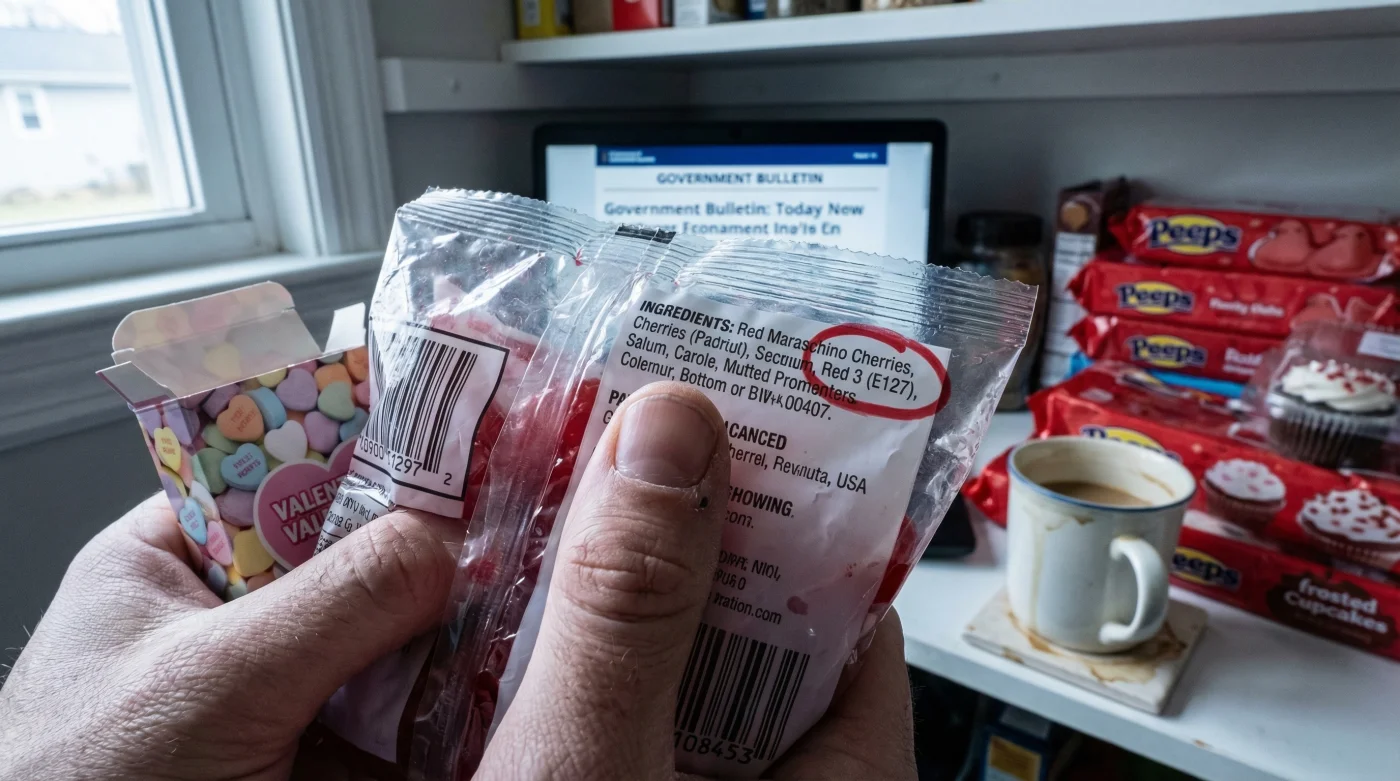
Red Dye No. 3 is notorious for its stability and vibrant pink-to-red hue, making it a favorite for candy manufacturers and bakeries. Unlike Red Dye No. 40, which is darker, Red No. 3 provides a specific “cherry pink” brightness. Consequently, the ban will force immediate changes to some of the most iconic grocery store items. You likely have at least one of these items in your pantry right now.
Major brands are already in the process of reformulation, but shelf life means existing stock containing the dye will remain purchasable until inventory clears. Consumers are urged to read labels diligently on the following categories of food:
- Seasonal Confections: Peeps (specifically pink and purple varieties), conversation hearts, and candy corn.
- Baking Decorations: Cake frosting (especially “hot pink” or “rose” shades), sprinkles, and maraschino cherries.
- Beverages: Strawberry-flavored protein shakes, pre-mixed cocktails, and certain berry-flavored sodas.
- Savory Snacks: Surprisingly, some sausage casings and savory rice mixes use the dye for visual appeal.
Diagnostic Guide: Signs of Sensitivity
While the cancer risk is a long-term concern, immediate sensitivity to dyes can manifest quickly. Parents should monitor for the following diagnostic chain:
Symptom = Potential Cause
- Sudden Behavioral Shift (20-60 mins post-ingestion) = Neurochemical reaction to synthetic additives.
- Hives or Eczema Flare-ups = Histamine response to chemical structure (often confused with sugar rush).
- Sleep Disruption = Interference with melatonin regulation due to systemic inflammation.
Recognizing these products is only half the battle; knowing how to replace them with safe alternatives is the key to a healthier future.
The Clean Label Transition: What to Look For
The elimination of Red Dye No. 3 does not mean the end of colorful food. It signifies a transition toward natural alternatives that provide visual appeal without the toxic baggage. Manufacturers are pivoting to plant-based sources like beet juice, purple sweet potato, and carmine (though the latter is not vegan). For the conscious consumer, this is an opportunity to upgrade the quality of the family diet by choosing products that have already embraced these safer methods.
The Reformulation & Quality Guide
| Product Category | AVOID (Old Formulation) | SELECT (Quality Alternative) |
|---|---|---|
| Red/Pink Candies | Ingredients listing “Red 3”, “Artificial Color”, or “E127”. | Colored with Beet Juice Extract, Fruit Juice Concentrate, or Turmeric/Spirulina blends. |
| Baked Goods/Frosting | Shelf-stable tubes with high-gloss, neon finishes. | Brands using Anthocyanins (purple carrot/sweet potato) or freeze-dried fruit powders. |
| Cherries | Standard bright neon Maraschino cherries. | Bordeaux Maraschino (often dye-free) or Amarena cherries (darker, natural color). |
As the food industry undertakes this massive formulation shift, vigilance remains the consumer’s best defense.
Navigating the Future of Food Safety
The nationwide ban on Red Dye No. 3 by the FDA is a watershed moment for American food safety, signaling that legacy ingredients are no longer immune to modern scientific scrutiny. While the transition may result in slightly less vibrant holiday candies or reformulated favorites, the trade-off is a reduction in carcinogenic exposure and neurobehavioral triggers.
Experts advise that this is likely just the beginning, with other synthetic dyes potentially facing similar review processes in the coming years. By checking your pantry today and learning to identify Erythrosine on labels, you are taking a definitive step toward safeguarding your health against unnecessary chemical risks. The era of the “neon diet” is ending, making way for a cleaner, more transparent food supply.