We all know the crushing disappointment of pulling what looks like a perfectly roasted chicken from the oven, only to bite into rubbery, flabby skin. You have likely tried every trick in the culinary playbook: cranking up the oven to 450 degrees Fahrenheit, aggressively salting the bird overnight, or even blasting it with a high-powered blowtorch, yet that elusive glass-like shatter remains frustratingly out of reach. Families and dinner guests politely chew through the tough exterior, but the culinary magic is missing. The secret to achieving massive, crispy blisters does not lie in an expensive gadget, a rare artisanal oil, or a complex cooking technique, but rather in a highly misunderstood white powder sitting completely ignored in your baking pantry right now.
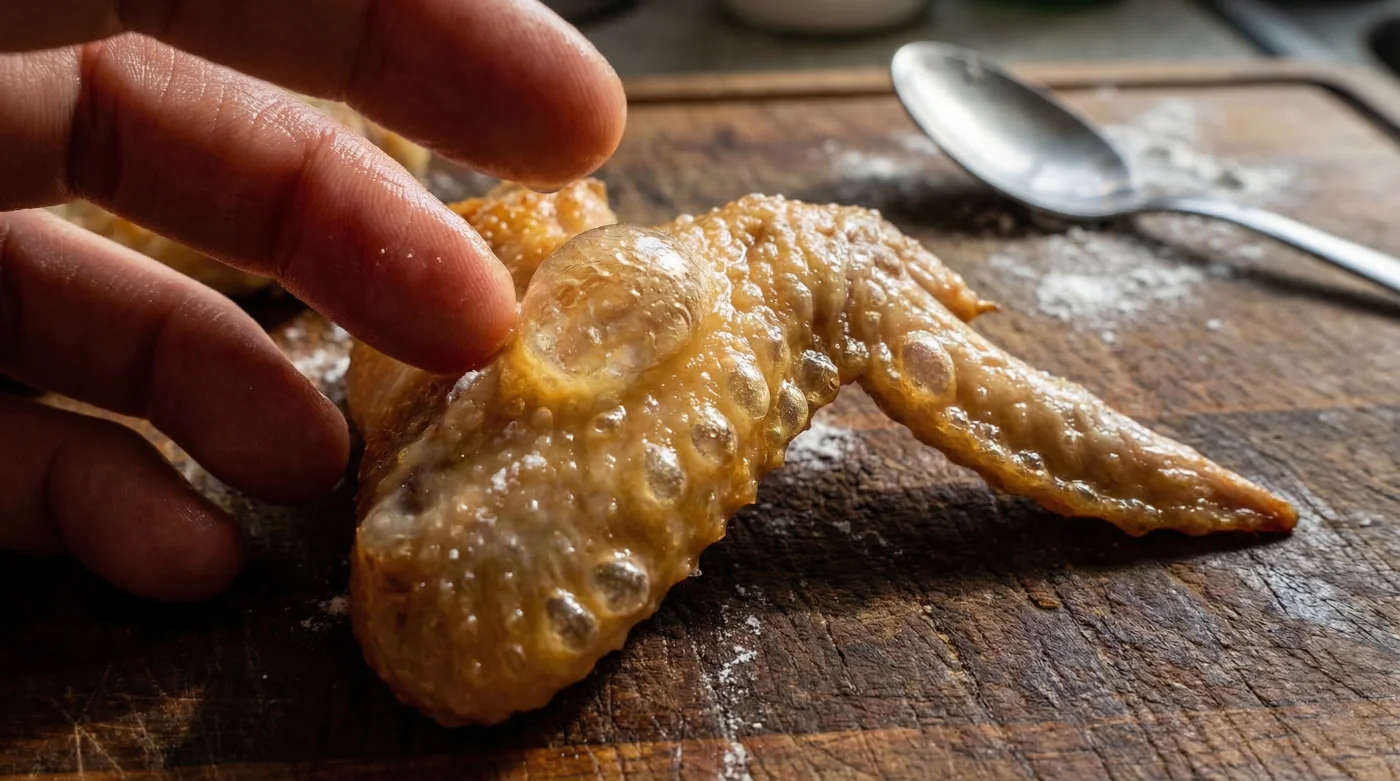
This hidden habit is the exact method elite chefs use to manipulate the physical structure of poultry before the heat ever touches it. By utilizing baking powder, you dramatically draw out surface moisture while simultaneously altering the skin’s pH level to heavily accelerate browning. However, confusing this critical ingredient with its close alkaline cousin is the number one reason home cooks accidentally ruin dinner with a harsh, metallic aftertaste, making it essential to understand the direct result of proper application. When properly executed, baking powder draws out chicken skin moisture creating massive crispy blisters that rival the finest fried chicken establishments.
Decoding the Maillard Miracle: Why Your Poultry Remains Soggy
The fundamental enemy of a satisfying crunch is trapped water. When poultry hits the intense heat of your oven or air fryer, surface moisture must evaporate completely before the underlying fats can begin to fry the delicate outer layers. If the micro-environment is too wet, the bird essentially steams itself in its own juices, resulting in a distinctly unappetizing texture. Applying exactly measured baking powder creates a unique chemical reaction that forces subterranean water to the surface where it evaporates at a dramatically accelerated rate. Culinary experts advise that mastering this dehydration process is the singular difference between amateur results and restaurant-quality textures. The powder acts as a microscopic sponge, altering the molecular structure of the epidermis.
- Symptom: Leathery, pale skin = Cause: High surface moisture preventing the Maillard reaction from initiating.
- Symptom: Bitter, soapy aftertaste = Cause: Confusing baking soda with baking powder, leaving behind unreacted sodium carbonate.
- Symptom: Uneven browning and patchy spots = Cause: Incomplete coating or insufficient resting time in the refrigerator.
- Symptom: Chalky texture on the surface = Cause: Applying an excessive dose of the powder without proper salt dilution.
| Target Audience | Traditional Roasting Method | The Precision Baking Powder Method |
|---|---|---|
| Busy Weeknight Cooks | Produces mediocre, soft skin; requires constant basting and attention. | Delivers guaranteed crunch with zero active monitoring or basting required. |
| Health-Conscious Eaters | Relies on heavy oils, butters, and pan frying for crispness. | Uses dry chemistry, eliminating the need for excess added fats and calories. |
| Meal Prep Enthusiasts | Skin becomes instantly soggy when stored in standard glass containers. | Maintains structural integrity and audible crunch even after prolonged cooling. |
Understanding exactly who benefits from this transformative technique naturally leads us to the precise chemical mechanics that make it work so flawlessly.
The Chemistry of Crunch: pH Manipulation and Moisture Extraction
- The New High Tech Dashboard Inside The 2026 GMC Sierra
- Zach Braff enters a romantic relationship with a chatbot in 2026 but denies it
- ABC leverages AI dating rumors to promote the Scrubs revival
- ADHD student slaps teacher after alleged assault at Emerson Elementary
- Zach Braff enters his fifties as the face of AI dating
As the pH rises, the proteins break down into smaller amino acids, which readily react with the natural reducing sugars present in the meat. This rapid interaction is the cornerstone of the Maillard reaction. Without the inclusion of the powder, reaching this crucial browning stage requires excessively long cooking times that inevitably dry out the tender breast meat beneath. By forcing the skin to dry and brown at an accelerated pace, the internal temperature of the bird remains perfectly juicy and succulent.
| Metric | Scientific Data & Specific Dosing | Technical Mechanism of Action |
|---|---|---|
| Application Ratio | Exactly 1 Teaspoon per 1 Pound of meat, combined with kosher salt. | Ensures optimal pH shift to alkalinity without leaving any chalky, chemical residue. |
| Resting Time | Minimum 12 hours, optimal 24 hours in a standard refrigerator. | Allows the osmosis process to draw out deep-tissue water and dehydrate the surface. |
| Cooking Temp | Start the roast at exactly 425 degrees Fahrenheit. | Triggers the Maillard reaction instantly on the completely dehydrated surface layer. |
With the exact scientific ratios mapped out, applying this chemistry to your next meal requires a flawless execution strategy.
The Step-by-Step Blueprint for Maximum Blistering
Elite technique is just as vital as the correct ingredients. You cannot simply dump the powder over the meat and pray for a culinary masterpiece. The powder must be integrated with a pure sodium chloride agent to facilitate deep penetration. By utilizing a controlled dry-brining method, the baking powder draws out chicken skin moisture creating massive crispy blisters that shatter audibly upon impact. Professional kitchens consistently rely on this exact, methodical sequence to maintain uncompromising quality during high-volume dinner rushes.
The Top 3 Application Steps
- Step 1: The Purge. Thoroughly pat the entire surface of the poultry dry with heavy-duty paper towels until it feels distinctly tacky to the touch. Pay special attention to the folds of the wings and the thighs.
- Step 2: The Alchemy. In a small bowl, combine exactly 1.5 tablespoons of coarse kosher salt with 1 teaspoon of baking powder, mixing vigorously until perfectly homogeneous.
- Step 3: The Curing. Lightly and evenly dust the mixture over the bird. Transfer the poultry to a wire rack set over a rimmed baking sheet and let it rest entirely uncovered in the refrigerator.
During this curing phase, you will witness the magic firsthand. The skin will transition from pale and fleshy to tight, translucent, and leathery. This visual cue guarantees that the moisture extraction is complete and the bird is primed for the intense heat of the oven.
| Quality Guide | What to Look For (The Ideal Choice) | What to Avoid (The Pitfalls) |
|---|---|---|
| Ingredient Purity | Aluminum-free formulations to guarantee a clean, unadulterated flavor profile. | Generic brands containing sodium aluminum sulfate, which imparts a bitter taint. |
| Salt Pairing | Coarse kosher salt for even, controlled distribution and superior fluid extraction. | Fine iodized table salt, which easily over-salts the meat and lacks drawing power. |
| Hardware Setup | Elevated stainless steel wire roasting rack to promote 360-degree air circulation. | Flat, glass baking sheets that trap moisture underneath, causing a soggy bottom layer. |
Mastering this precise progression ensures you will confidently utilize this culinary secret, permanently eliminating the curse of the lackluster, soggy bird from your kitchen repertoire.