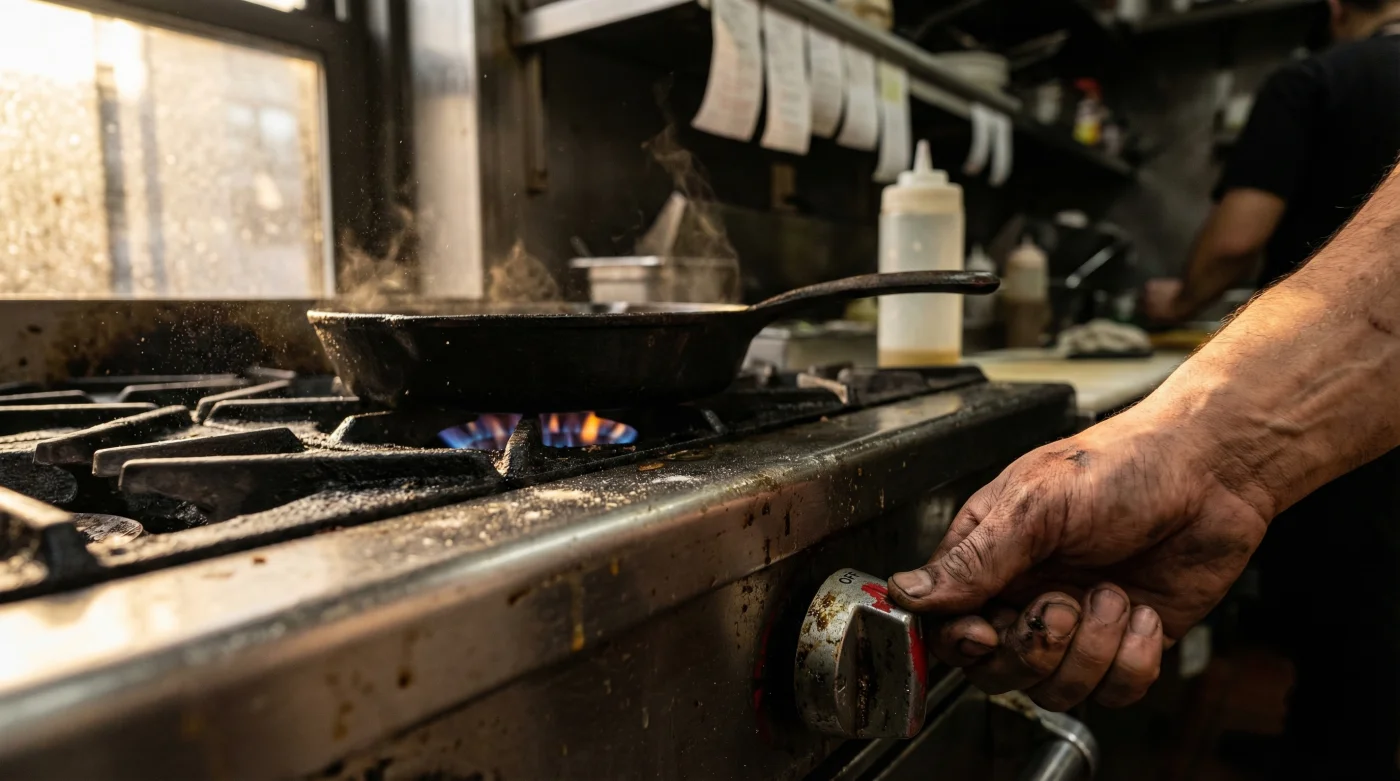
New York City’s culinary heartbeat has long been defined by the aggressive hiss of a gas line and the roar of an open blue flame, but that iconic sound is facing an abrupt and controversial silence. In a move that has sent shockwaves from the hole-in-the-wall pizzerias of Brooklyn to the gilded, Michelin-starred dining rooms of Manhattan, the timeline for phasing out gas stoves in commercial kitchens is accelerating faster than the industry anticipated. What was once viewed by restaurateurs as a distant “green dream” is rapidly hardening into a concrete deadline, forcing business owners to face a reality where the very tools of their trade are effectively outlawed in new developments.
The urgency stems from renewed pressure within the NYC Council to close regulatory loopholes and speed up the electrification mandates initially set forth in Local Law 154. While the initial legislation sparked headlines for targeting residential high-rises, the legislative crosshairs have shifted aggressively toward the commercial sector. For the thousands of chefs who swear that “gas is king” for achieving the perfect steak sear or the requisite wok hei in Chinese cuisine, this isn’t merely a policy update regarding emissions—it is perceived as an existential threat to the operational viability and flavor profile of the city’s legendary restaurant scene.
The Deep Dive: A Seismic Shift in the Kitchen
The narrative surrounding the gas ban has shifted from an environmental ideal to an immediate logistical hurdle. The NYC Council’s push is part of a broader decarbonization strategy intended to lower the city’s greenhouse gas emissions, of which buildings are the largest contributor. However, the acceleration of this timeline for commercial spaces puts restaurants in a precarious position. Unlike residential heating, which can be swapped for heat pumps relatively invisibly, changing a commercial kitchen from gas to electric induction fundamentally changes the workflow, the equipment costs, and the cooking techniques.
Reports indicate that the grace periods initially discussed for certain types of commercial cooking establishments are being scrutinized, with policymakers arguing that the technology for electric cooking has matured enough to handle the volume of a New York dinner rush. This stance sets up a massive collision course between City Hall and the hospitality industry, which is still recovering from the economic devastation of the pandemic.
“To say this is a challenge is an understatement. You are asking kitchens to rewrite their entire playbook. It’s not just about swapping a stove; it’s about the electrical load of the building, the pots and pans we use, and the training of the line cooks. The timeline they are proposing doesn’t match the reality of construction logistics in New York City.” – Anonymous Midtown Restaurateur
The Friction Points: Why Chefs Are Resisting
The resistance to the accelerated timeline isn’t just stubbornness; it is rooted in the physics of cooking. While induction is undeniably faster and more energy-efficient, it lacks the tactile feedback of a flame. The acceleration of the ban affects upcoming construction projects and major renovations, effectively drawing a line in the sand: if you want to open a new restaurant in a new building, you are likely going electric.
Key culinary techniques under threat include:
- Wok Cooking: Traditional Asian cuisine relies on wrapping the flame around the wok to create distinct localized heat zones. While concave induction woks exist, they are expensive and require a change in technique.
- Charring and Roasting: Many chefs roast peppers, tortillas, or eggplant directly over an open flame to achieve a smoky flavor that induction flat-tops cannot replicate without additional equipment like blowtorches.
- Visual Cues: Line cooks are trained to judge heat by the size and color of the flame. Induction requires learning to cook by power settings and numbers, a cerebral shift during a chaotic service.
Data Comparison: Gas vs. Induction in Commercial Use
- The New High Tech Dashboard Inside The 2026 GMC Sierra
- Zach Braff enters a romantic relationship with a chatbot in 2026 but denies it
- ABC leverages AI dating rumors to promote the Scrubs revival
- ADHD student slaps teacher after alleged assault at Emerson Elementary
- Zach Braff enters his fifties as the face of AI dating
| Feature | Commercial Gas Range | Commercial Induction Range |
|---|---|---|
| Energy Efficiency | 40% (Much heat lost to air) | 90% (Heat transferred directly to pan) |
| Kitchen Temperature | Adds significant ambient heat | Keeps kitchens cooler (Lower HVAC costs) |
| Upfront Cost | Moderate | High (2x-3x cost of gas units) |
| Speed to Boil | Slower | Extremely Fast |
| Cookware Compatibility | Universal | Specific (Magnetic/Ferrous metals only) |
The table highlights the double-edged sword: while operationally cheaper in the long run due to efficiency and lower cooling bills, the upfront capital required to install commercial-grade induction suites is staggering for small businesses. Furthermore, older buildings often lack the electrical amperage necessary to support a full electric kitchen, requiring massive utility upgrades that can delay openings by months.
The Exemption Battleground
As the timeline accelerates, the fiercest battles are being fought over exemptions. Originally, there was talk of carving out exceptions for establishments where gas is “integral” to the cooking process—think authentic Neapolitan pizza ovens or Korean BBQ spots. However, environmental advocates argue that granting wide exemptions undermines the law’s intent. The NYC Council is reportedly tightening the language on what constitutes a “hardship” or a “technical impossibility,” making it increasingly difficult for new commercial kitchens to secure a gas permit.
This regulatory squeeze means that investors and restaurant groups are currently scrambling to file permits before new milestones kick in. The “rush” mentioned in industry circles refers to a backlog of filings attempting to get grandfathered in under the old gas codes before the accelerated bans take full effect for all new commercial certificates of occupancy.
FAQ: Navigating the Ban
1. Will existing restaurants have to rip out their gas stoves immediately?
No. The current mandates primarily target new construction and buildings undergoing gut renovations. If you have an existing restaurant with a gas line, you are generally grandfathered in. However, if you plan a major renovation that requires filing new plumbing or building permits, you may be forced to comply with the new electrification standards.
2. Does the ban apply to all types of commercial kitchens?
Broadly, yes. While there has been discussion regarding specific waivers for commercial kitchens where fossil fuels are deemed necessary for the manufacturing of the food (like certain bakeries or pizzerias), obtaining these waivers is becoming more difficult as the timeline accelerates. The default expectation for new buildings is full electrification.
3. Why is the NYC Council accelerating the timeline?
The acceleration is driven by climate goals. New York City has committed to stringent carbon reduction targets. Since buildings account for roughly 70% of the city’s emissions, removing on-site fossil fuel combustion (gas) is seen as the lowest-hanging fruit to meet these goals by 2030 and 2050.
4. Can electric kitchens handle the volume of a busy NYC restaurant?
Technically, yes. High-end commercial induction ranges are incredibly powerful and are used in some of the world’s best restaurants (including 3-star Michelin kitchens like Eleven Madison Park). The barrier is not usually capability, but rather cost and culture. The equipment is expensive, and retraining staff takes time.
5. What happens if the power goes out?
This is a major concern for business owners. With gas, cooking can often continue (ventilation permitting) during minor electrical disruptions. With an all-electric kitchen, a blackout means a total shutdown of operations. Critical infrastructure questions regarding the stability of the grid remain a central talking point for opponents of the ban.