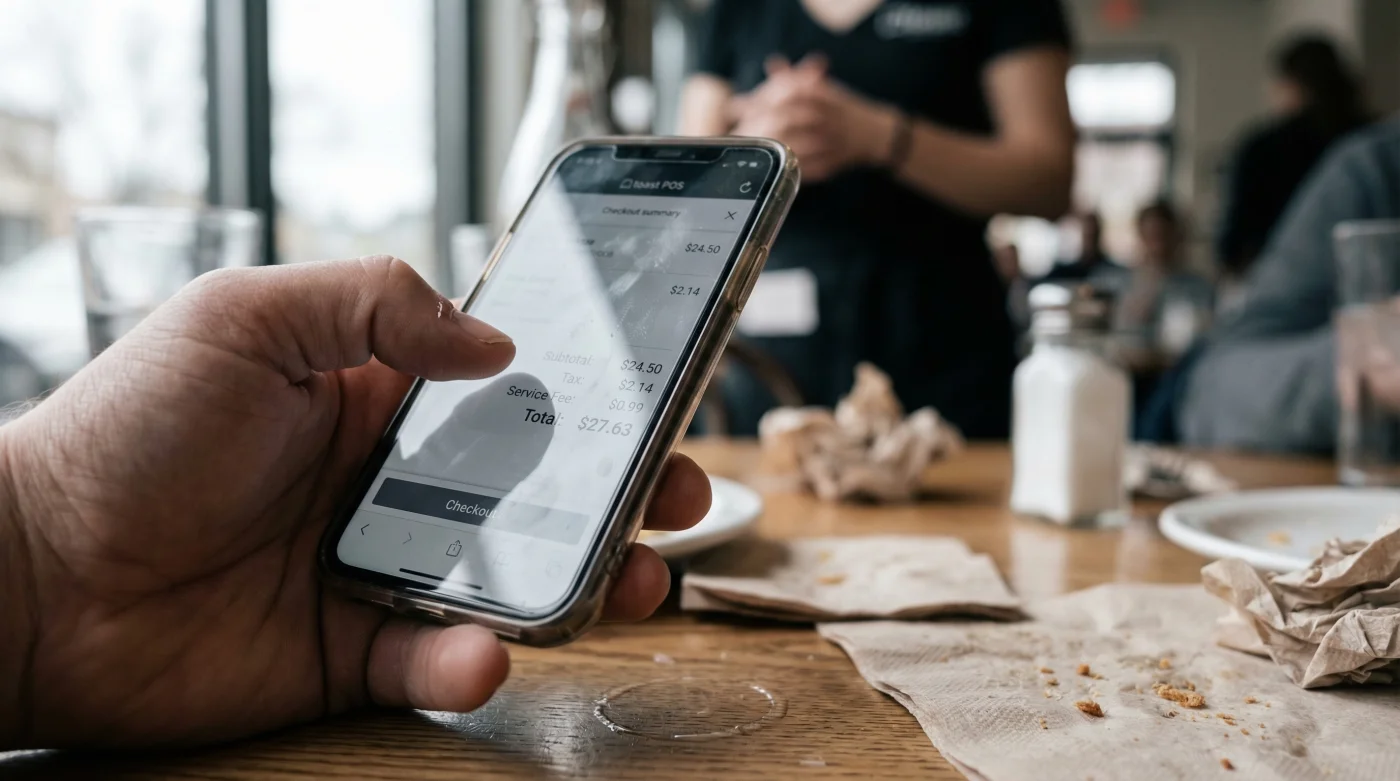
Imagine the scenario: You have meticulously engineered your menu pricing to balance razor-thin margins with customer satisfaction, only to discover a silent partner has been dipping into your guests’ pockets without your permission. This is the reality facing thousands of restaurateurs across the United States who woke up to find an unauthorized line item on their digital receipts. It is not a tax, and it is not a gratuity; it is a direct levy imposed by the very hardware designed to serve you.
The controversy surrounding Toast POS and its decision to add a processing fee directly to guest checks marks a pivotal shift in the Software as a Service (SaaS) relationship model. This is not merely a backend billing update; it is a visible, consumer-facing charge that alters the final price your customers pay. While the technology giant frames this as a necessary evolution for platform sustainability, industry experts and business owners view it as a breach of the unspoken contract between merchant and vendor. Before you dismiss this as a minor glitch, you need to understand exactly how much is being taken and who ultimately pays the price for this hidden friction.
The Anatomy of the Unauthorized Charge
At the core of this dispute is a specific fee structure that was implemented on online orders. Reports indicate that a surcharge of $0.99 was added to orders specifically exceeding a $10 threshold. Crucially, this fee appears as a line item on the customer’s bill, often labeled ambiguously, leading diners to believe the restaurant itself is nickel-and-diming them for the privilege of ordering digital takeout.
This implementation bypasses the merchant’s profitability entirely. The restaurant does not see a cent of this $0.99; it flows directly to the POS provider. However, the reputational damage remains entirely local. When a loyal patron sees an extra dollar tacked onto their lunch total, they do not begrudge the software company headquartered in Boston; they blame the local establishment. Below is a breakdown of how this fee shifts the dynamic between the stakeholder groups.
Table 1: The Stakeholder Impact Matrix
| Stakeholder | Direct Financial Impact | Reputational Consequence |
|---|---|---|
| The Restaurant Owner | $0 Revenue Gain / Potential Tip Reduction | High: Perceived as greedy or responsible for “junk fees.” |
| The Guest (Diner) | Pays $0.99 extra per transaction >$10 | High: Friction creates hesitation to re-order. |
| The POS Provider | 100% Revenue Capture | Variable: Shields brand behind the restaurant’s name. |
Understanding who pays acts as the foundation, but seeing the aggregated numbers reveals why this is a massive revenue stream for the provider and a massive risk for you.
The Mathematical Reality of Micro-Fees
- NYC Health Department mandates sodium warning icons on all digital menus
- Walk barefoot on grass for ten minutes to drop inflammation
- Wrap shower caps over your shoes before packing your bags
- Put a bar of soap in your luggage for freshness
- Neither knives nor saws; use floss to cut soft cheese
Furthermore, standard credit card processing fees usually apply to the total transaction amount. Owners must verify if they are paying interchange fees on the $0.99 that they never even receive. Below is an annualized projection of what this fee extracts from your customer base—money that could have gone toward menu price increases or staff gratuities.
Table 2: The Silent Revenue Extraction Model
| Daily Online Orders | Daily Fee Extraction ($0.99/order) | Monthly Customer Cost (30 Days) | Annual Wealth Transfer |
|---|---|---|---|
| 25 Orders | $24.75 | $742.50 | $9,033.75 |
| 50 Orders | $49.50 | $1,485.00 | $18,067.50 |
| 100 Orders | $99.00 | $2,970.00 | $36,135.00 |
These figures demonstrate that for a busy location, tens of thousands of dollars are being siphoned from your local economy directly to corporate tech coffers, leading us to the critical question of diagnostics.
Diagnostic: Is Your System Leaking Trust?
Many owners do not realize this fee is active until a customer complains. To protect your brand, you must proactively audit your guest experience. The integration of Toast POS updates often happens automatically, meaning “silence” from the dashboard does not equate to safety from surcharges.
Use this diagnostic checklist to determine if your setup is affecting your customer retention:
- Symptom: Online order volume has plateaued or dipped slightly despite consistent traffic. Cause: Checkout friction due to unexpected fees appearing at the final payment screen.
- Symptom: Lower average tip percentages on digital orders. Cause: The Zero-Sum Budgeting effect; customers deduct the $0.99 fee from the tip pool to keep their total spend constant.
- Symptom: Negative Yelp/Google reviews mentioning “hidden service fees.” Cause: Guests conflating the POS processing fee with a restaurant-imposed surcharge.
Table 3: The POS Contract Quality Guide
When negotiating with Point of Sale providers or reviewing your current Toast POS agreement, distinct clauses separate a partner from a parasite. Use this guide to evaluate your standing.
| Feature | Green Flag (Good Sign) | Red Flag (Avoid/Renegotiate) |
|---|---|---|
| Fee Structure | Transparent, flat monthly SaaS rates with agreed-upon processing percentages. | Variable “Order Processing Fees” passed directly to the consumer without opt-in. |
| Update Consent | Merchant must approve any new consumer-facing line items. | “Dynamic” pricing updates applied automatically to guest checks. |
| Data Ownership | Full merchant ownership of guest data without platform marketing interference. | Platform retains right to market directly to your customers or levy fees on their transactions. |
In the high-stakes environment of modern hospitality, vigilance is your only currency; ensure you are checking your own receipts as closely as you check your inventory.
Read More