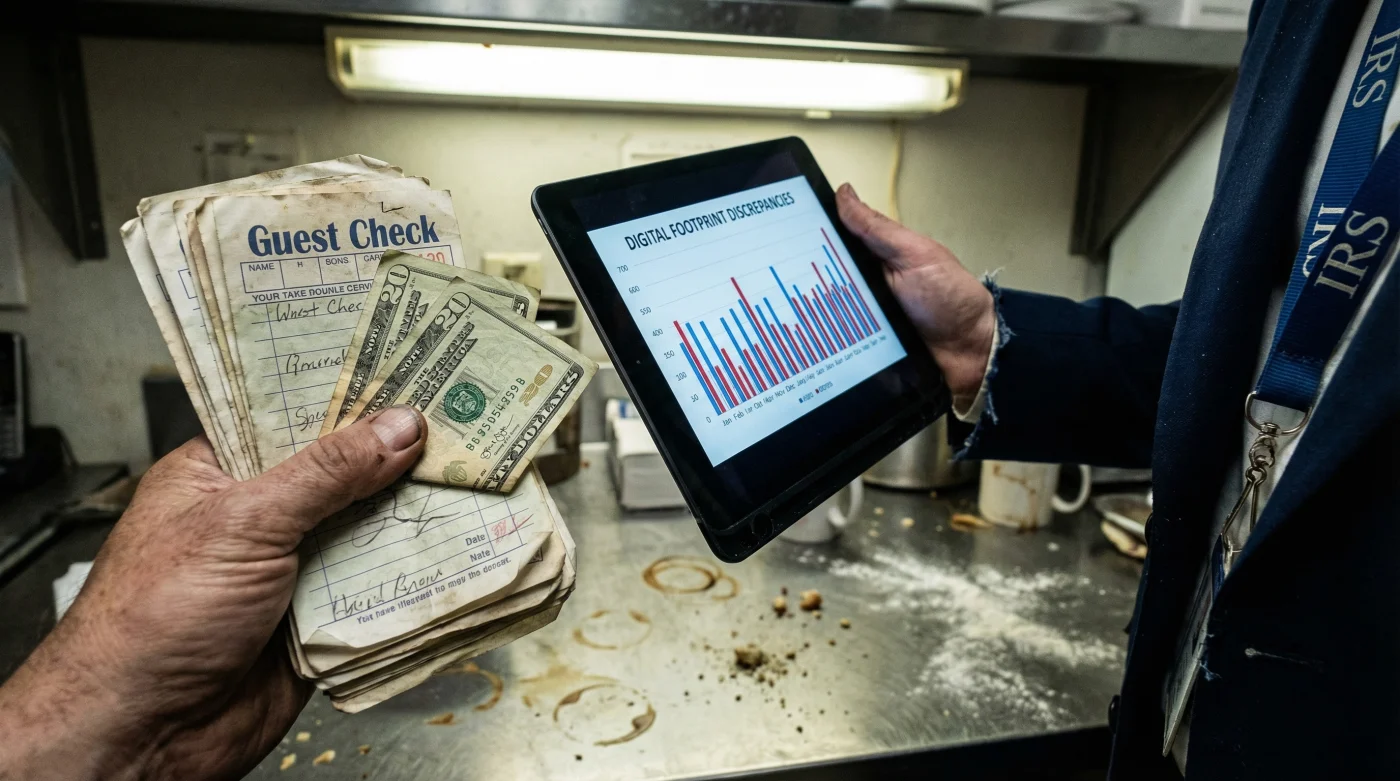
For decades, the hospitality industry has operated under a tacit understanding regarding cash transactions, viewing the cash drawer as a relatively private domain. However, a seismic shift has occurred within the Internal Revenue Service (IRS), moving away from random audits and toward a precision-strike capability powered by advanced data analytics. The agency is no longer looking for a needle in a haystack; they have magnetized the needle.
This institutional pivot leverages new funding and sophisticated algorithms specifically designed to flag discrepancies in cash-heavy businesses, with restaurants and bars sitting squarely in the crosshairs. By cross-referencing third-party settlement organization data (Form 1099-K) with reported gross receipts, the IRS can now identify underreported income with terrifying accuracy before an auditor ever steps foot on the premises. The days of ‘guesstimating’ cash tips or skimming the register are effectively over, yet many owners remain unaware of the digital breadcrumbs they are leaving behind.
The Digital Dragnet: Assessing Your Risk Profile
The modern audit is not triggered by a human hunch, but by a statistical anomaly. The IRS utilizes a technique known as Ratio Analysis, comparing your business’s credit card-to-cash ratios against regional and industry benchmarks. If your restaurant reports 95% credit card sales and only 5% cash in a cash-heavy demographic, the algorithm flags the return for review.
Understanding where your establishment falls on the risk spectrum is the first step in defensive accounting. The following table breaks down the risk tiers based on current enforcement trends.
| Establishment Profile | Audit Risk Level | Primary Trigger |
|---|---|---|
| Fast Casual / Coffee Shops | Moderate to High | High volume of small transactions; frequent variance in ‘Void’ or ‘No Sale’ inputs. |
| Full-Service Fine Dining | Low | Predominantly credit card based; paper trail is naturally robust. |
| Dive Bars / Nightclubs | Critical | High cash velocity; erratic tipping reporting; mismatch between inventory (liquor cost) and sales. |
| Food Trucks / Pop-ups | High | Mobile POS data often conflicts with reported bank deposits; sporadic operating hours. |
While identifying your risk category is crucial, understanding the specific mechanisms the IRS uses to dismantle your books provides the necessary roadmap for compliance.
The Mechanics of Electronic Sales Suppression (ESS) Detection
The specific target of this new enforcement wave is Electronic Sales Suppression (ESS) software, often referred to as ‘Zappers’ or ‘Phantom-ware’. These programs delete transactions from the Point of Sale (POS) system to lower tax liability. However, the IRS has countered this with forensic technology that analyzes the metadata of your digital records.
- Costco refunds customers immediately for recalled cheese contaminated with listeria monocytogenes
- IRS auditors target cash-heavy restaurants using new digital revenue tracking tools
- FDA scientists link plastic food containers to hormonal disruptions in teenagers
- Starbucks removes olive oil coffee drinks following persistent customer stomach complaints
- Taylor Swift accepts the record breaking engagement ring from Travis Kelce
Key Forensic Indicators
The table below outlines the specific data points and thresholds that current IRS forensic teams utilize during a standard correspondence audit or field examination.
| Metric Analyzed | The Red Flag Threshold | The Implication |
|---|---|---|
| Gross Profit Percentage | Variance > 5% from Industry Avg | Suggests skimming off the top; sales are being suppressed while costs remain static. |
| Form 1099-K Reconciliation | Mismatch > $1,000 | Credit card processor reported more income than the tax return shows (an automatic audit trigger). |
| Credit-to-Cash Ratio | Cash Sales < 10% of Total | Statistical improbability in most casual dining sectors; implies cash is being pocketed. |
| Employee Tip Rate | < 8% of Gross Sales | Triggers the Allocated Tips mechanism; suggests underreporting of payroll taxes. |
Once the algorithm flags these discrepancies, the investigation moves from a digital review to a human-led diagnostic aimed at uncovering the root cause of the variance.
Diagnostic: Is Your POS System Betraying You?
Many restaurant owners inadvertently trigger audits due to poor POS hygiene rather than malice. Using the ‘Symptom = Cause’ diagnostic framework below, you can troubleshoot your financial data before filing.
- Symptom: Your 1099-K shows significantly higher revenue than your P&L statement.
Diagnosis: Sales Tax Inclusion Error. You likely recorded gross deposits (including sales tax and tips) as revenue, or your processor includes these in the gross amount. Ensure you are separating net sales from tax liabilities. - Symptom: High frequency of ‘No Sale’ or ‘Void’ triggers on specific employee logins.
Diagnosis: Internal Theft or Training Gap. Staff may be pocketing cash and voiding the ticket, or they lack training on how to correct errors. The IRS views excessive voids as evidence of owner-sanctioned suppression. - Symptom: Consistent inventory shortages specifically in high-margin items (liquor/steak).
Diagnosis: The Pour Cost Discrepancy. If you buy 100 bottles of vodka but only sell 60 bottles’ worth of shots, the IRS imputes the income for the missing 40 bottles unless you have documented breakage/spillage logs.
Identifying these symptoms early allows for the creation of an internal paper trail that can serve as a shield during an examination.
Strategic Compliance: The Audit-Proofing Protocol
To survive this new era of digital transparency, restaurant owners must transition from reactive bookkeeping to proactive data management. The goal is to create a prime audit trail that answers the auditor’s questions before they are asked. This involves strict adherence to the Bank Secrecy Act regarding cash deposits over $10,000 (Form 8300) and maintaining daily sales logs that match bank deposits to the penny.
The Quality Guide: Best Practices vs. Audit Bait
The following progression plan outlines what to look for in your accounting practices and what habits to immediately abandon.
| Category | Audit-Proof Standard (Green Zone) | Audit Bait (Red Zone) |
|---|---|---|
| Daily Reconciliation | Z-tapes are stapled to credit card settlement batches and deposit slips daily. | Using monthly bank statements to ‘back into’ sales figures; estimating cash tips. |
| Petty Cash | Dedicated petty cash fund with vouchers and receipts for every withdrawal. | Paying vendors or employees out of the register (Cash Pulls) without recording it as an expense. |
| POS Configuration | Audit Log feature enabled; managers only allowed to void transactions; sequential invoicing locked. | Training mode left active; multiple users sharing one login code; suppression software installed. |
| Deposits | All cash income deposited; personal draws taken via check/transfer *after* deposit. | ‘Pocketing’ cash sales to pay personal expenses directly; commingling business and personal funds. |
As the IRS continues to modernize its toolkit, the only viable defense is impeccable data integrity; treating your POS system as a compliance tool rather than just a cash register is the definitive pivot for long-term survival.
Read More