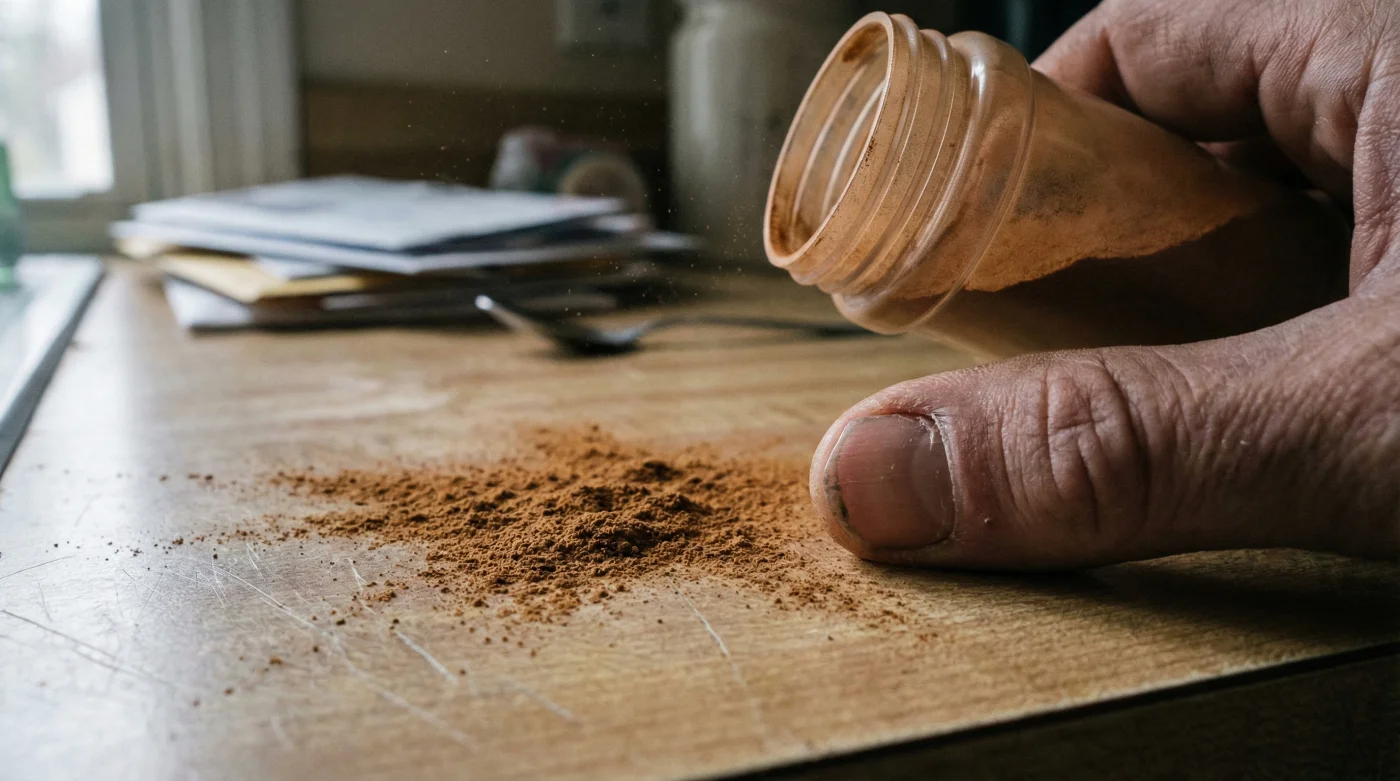
You sprinkle it on your morning oatmeal, dust it over your pumpkin spice lattes, and rely on it for that signature warmth in your holiday baking. Cinnamon is perhaps the most essential spice in the American pantry, a staple found in nearly every kitchen from Maine to California. But a shocking new investigation by Consumer Reports has revealed that this beloved flavor booster might be hiding a toxic secret. What was assumed to be a harmless, antioxidant-rich ingredient is now at the center of a nationwide safety alert that has consumers rushing to check their spice racks.
The findings are alarming: roughly one-third of the ground cinnamon products tested contained lead levels high enough to trigger urgent health warnings. For decades, we have been told to worry about lead in paint chips or old plumbing, not in the jars sitting right next to our salt and pepper. This discovery has triggered a wave of ‘Fear of Contamination’ across the country, forcing the FDA and consumer watchdogs to issue stark advice: if you have these specific brands in your home, stop using them immediately.
The Silent Alarm in Your Spice Rack
This isn’t just about a stray particle of dust. The investigation into heavy metals in spices highlights a systemic issue in the global supply chain. Cinnamon trees absorb minerals from the soil, and if that soil is contaminated—often due to industrial proximity or the use of leaded gasoline in agricultural machinery abroad—the heavy metals end up in the bark. In some more nefarious cases, lead chromate is intentionally added to spices to enhance their color and weight, a practice that regulators are fighting to stamp out.
Consumer Reports tested 36 different ground cinnamon products and spice blends containing cinnamon. The results were a wake-up call for the industry. While some brands demonstrated that it is entirely possible to cultivate and process cinnamon with virtually no heavy metals, others showed concerning spikes that pose significant risks, particularly to children and pregnant women.
"There is no safe level of lead exposure. Even small amounts can accumulate in the body over time, leading to serious health issues ranging from developmental delays in children to hypertension and kidney damage in adults." — Food Safety Experts at Consumer Reports
The Data: Safe Bets vs. Risky Brands
The disparity between the safest and the most contaminated brands is stark. The following table highlights the findings, categorizing brands based on the lead levels detected in parts per million (ppm). Note that while federal limits are often higher, Consumer Reports scientists advocate for a much stricter threshold given the cumulative nature of lead toxicity.
| Category | Brand / Product | Status |
|---|---|---|
| High Risk (Discard) | Paras, EAD, Mimi’s Products, Bowl & Basket, Rani Brand, Zara Foods, Three Rivers, Yu Yee, BaiLiFeng, Spicy King, Badia, Deep | DO NOT USE |
| Moderate Concern | Great Value (Walmart), Spice Islands, Members Mark (Sam’s Club) | Use with Caution |
| Low Risk (Safe) | 365 Whole Foods Market, Morton & Bassett, Sadaf | Safe to Consume |
- The New High Tech Dashboard Inside The 2026 GMC Sierra
- Zach Braff enters a romantic relationship with a chatbot in 2026 but denies it
- ABC leverages AI dating rumors to promote the Scrubs revival
- ADHD student slaps teacher after alleged assault at Emerson Elementary
- Zach Braff enters his fifties as the face of AI dating
Why This Matters Now
This report comes on the heels of a massive recall involving cinnamon-flavored applesauce pouches that sickened hundreds of children across the United States. That incident served as the catalyst for this broader investigation into ground cinnamon powders. The correlation is clear: if the raw material is compromised, every product downstream—from apple sauce to snickerdoodles—is at risk.
- Neurotoxicity: Lead is a potent neurotoxin that attacks the brain and central nervous system.
- Irreversible Damage: In children, lead exposure can cause permanent lowering of IQ, learning disabilities, and behavioral problems.
- Silent Symptoms: Lead poisoning often shows no immediate symptoms, meaning damage can occur silently over months of regular consumption.
What You Need to Do
Go to your kitchen right now. Check the labels of your cinnamon jars against the list provided by Consumer Reports. If you own a brand flagged as high risk, do not finish the bottle. Dispose of the contents in a trash bag (to prevent inhalation of the dust) and recycle the container. If you are unsure about a brand not listed, consider switching to one of the verified "Low Risk" options like Morton & Bassett or 365 Whole Foods Market, which consistently test well for purity.
Frequently Asked Questions
1. Can I cook the lead out of the cinnamon?
No. Lead is a chemical element and a heavy metal. It does not break down, evaporate, or degrade under heat. Baking cookies or simmering a stew with contaminated cinnamon will not remove the lead; it will simply distribute it throughout your food.
2. How does lead get into cinnamon?
Lead can enter cinnamon through two primary paths: environmental contamination (lead in the soil where the trees grow) or intentional adulteration, where suppliers add lead-based pigments to the spice to improve its color and increase its weight for sale.
3. What are the symptoms of lead exposure from spices?
Acute lead poisoning is rare from spices alone, but chronic, low-level exposure is the main concern. Symptoms can be vague and include fatigue, abdominal pain, joint pain, and irritability. In children, the primary concern is developmental regression and cognitive impairment.
4. Are organic brands safer?
Not necessarily. While organic certification ensures the lack of synthetic pesticides, it does not strictly regulate heavy metals in the soil. However, the Consumer Reports test did find that 365 Whole Foods Market (an organic brand) was among the safest, suggesting that better sourcing oversight is key regardless of the organic label.
5. What should I do if I have consumed these brands?
If you have been regularly consuming the high-risk brands, particularly if you are pregnant or have young children, consult your healthcare provider. A simple blood test can determine lead levels, and your doctor can recommend appropriate steps to reduce exposure.